

When you come home with a foul odor or discover raw sewage spilling into your bathroom, it’s more than just an inconvenience—it’s a full-blown plumbing emergency. Sewage backups can lead to extensive property damage, pose serious health risks, and even disrupt your daily routine. According to the Environmental Protection Agency (EPA), exposure to raw sewage can lead to various health risks, including gastroenteritis, hepatitis A, and respiratory infections. Studies show that homes exposed to sewage backups can increase the risk of illnesses by up to 25%.
Knowing how to respond quickly and effectively can make all the difference in protecting your home. If you’re facing this issue, it’s crucial to act fast and reach out to plumbers in Springfield who can provide expert assistance and restore your home to a safe condition—still confused? Don’t worry! In this blog, we’ll guide you through the essential steps to take if you experience a sewage backup, explore common causes behind these incidents, and offer expert tips on preventing future occurrences, all while ensuring your home stays safe and sanitary.

Understanding the Causes of Sewage Backups (and How to Prevent Them)
Why do sewage backups happen? The answer often lies in aging infrastructure, blockages, or even natural causes like heavy rain. Let’s explore some of the common reasons:
- Clogged Sewer Lines
Over time, household waste, grease, and paper products can build up and block your sewer lines. These clogs prevent wastewater from flowing out of your home, causing it to back up into your living spaces. - Tree Roots Infiltration
Tree roots are naturally drawn to moisture and can infiltrate your sewer lines through small cracks. Once inside, they expand and block the pipes, leading to a backup. - Heavy Rainfall and Flooding
In some areas, municipal sewer systems can’t handle the excess water from heavy rains, causing backups. If you notice this issue often, consider installing a backflow prevention valve. - Aging Plumbing Systems
Older homes are more susceptible to sewer backups due to deteriorating pipes and outdated plumbing systems. Regular maintenance by plumbers services can help prevent unexpected disasters. - Flushing Improper Items
Many household products, such as wet wipes, feminine hygiene products, and paper towels, are not designed to dissolve like toilet paper. Flushing these items can block your sewer lines, leading to backups. - Broken or Collapsed Sewer Pipes
Over time, sewer pipes made from materials like clay or cast iron can crack, collapse, or deteriorate, especially in older homes. These structural issues can obstruct wastewater flow, causing sewage to overflow your home. - City Sewer Problems
Sometimes, the issue isn’t within your property but in the municipal sewer system. Blockages, maintenance issues, or construction near your home can cause sewage to back up into residential sewer lines. In such cases, you may need to coordinate with your local utility department to resolve the issue.
Understanding these causes can help you take preventive measures to protect your home from future sewage backups. Regular plumbing inspections and maintenance are crucial to keeping your sewer lines in top shape.
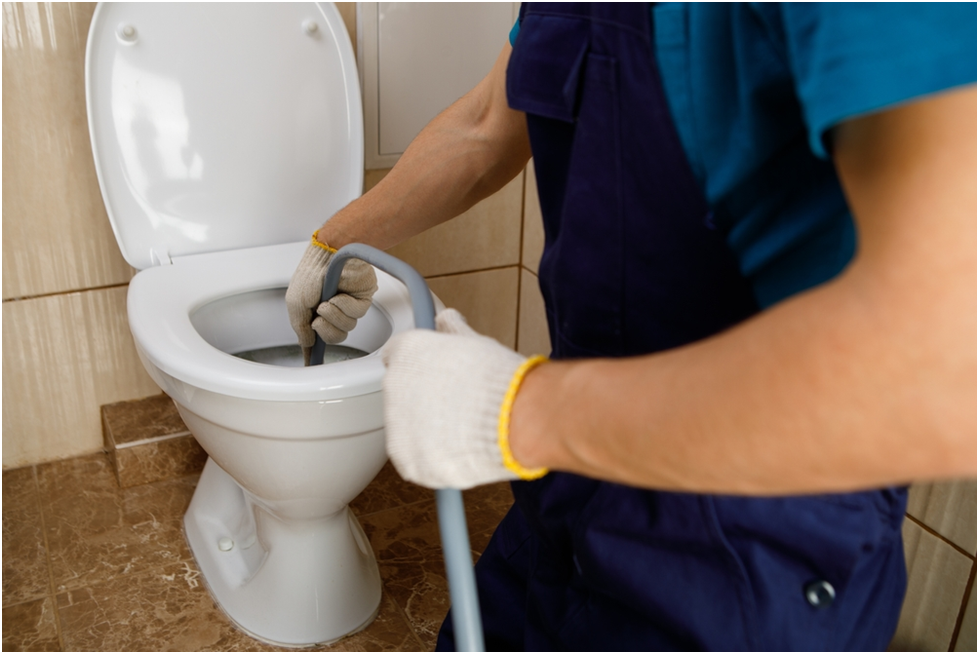
A Step-by-Step Guide on What to Do If Sewage Backs Up in Your Home
Facing a sewage backup can be overwhelming, but taking the right steps can significantly reduce damage and health risks. Follow this comprehensive guide to tackle the issue efficiently and protect your home.
Step 1: Assess the Situation
When you experience a sewage backup, the first thing you need to do is determine the extent of the problem. Is it limited to one room, or has it spread throughout your home? Knowing the scale will help you decide whether you can tackle the initial cleanup or if you need to call in professionals immediately.
Step 2: Protect Your Health and Safety
Before you start any cleanup, prioritize your health:
- Wear protective clothing: Rubber gloves, waterproof boots, and a mask are essential.
- Avoid using plumbing fixtures, such as sinks, toilets, and showers. They can exacerbate the problem by adding more water to the system.
- Keep children and pets away: The bacteria in sewage can be particularly harmful to vulnerable family members.
Step 3: Contain the Damage
- Use towels or sandbags: Place them around the affected area to contain the sewage water and prevent it from spreading further into your home.
- Remove valuable items: If you have furniture, electronics, or essential documents in the flooded area, move them to a dry location if it’s safe.
Step 4: Document the Damage for Insurance
Take photos and videos of the affected areas before any cleanup begins. This documentation can be crucial when filing a homeowner’s insurance claim.
Step 5: Call Professional Plumbing Services
At this point, it’s essential to bring in plumbers in springfield who are experienced in handling sewage backups. A professional plumbing team will:
- Inspect your sewer lines with a camera: This helps identify the exact location and cause of the blockage.
- Perform hydro jetting or snaking. These powerful methods can clear out clogs and tree roots from your pipes.
- Sanitize and disinfect: After the backup is cleared, professionals will thoroughly disinfect the area to prevent mold growth and eliminate any lingering bacteria.
Step 6: Clean Up Safely
Once professionals have dealt with the backup, you can begin the cleanup:
- Dispose of contaminated items: Carpets, rugs, and upholstered furniture exposed to sewage may need to be discarded.
- Wash hard surfaces: Use hot water and bleach to clean floors, walls, and other non-porous surfaces.
- Dry out the area: Use fans, dehumidifiers, and open windows to remove excess moisture, which can lead to mold growth.
Bonus Tip: Invest in Preventative Measures
According to the American Society of Home Inspectors, 60% of homeowners experience water damage at some point, with a significant portion caused by sewer backups. Use these preventive measures to be stress-free:
- Install a backflow prevention valve: This device stops sewage from re-entering your home during heavy rains.
- Schedule regular plumbing maintenance: Annual inspections by a reputable local plumbing company can catch potential problems before they escalate.
Don’t Let Sewage Backups Ruin Your Home
A sewage backup can be a homeowner’s worst nightmare, but you can minimize damage and costs with the right knowledge and quick action. Remember, prevention is always better than cure. Regular plumbing maintenance and proactive measures can save you from the mess and stress of dealing with sewage in your home.
At White Plumbing Company, we understand that emergencies can strike any time. That’s why our team of licensed experts is ready 24/7 to handle all your plumbing needs, from sewage backups to routine maintenance.
Call us now to schedule a consultation or emergency service and protect your home from future plumbing disasters!


