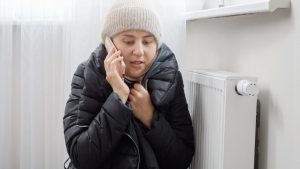
Winter’s icy grip can bring more than just chilly temperatures; it can also bring the dreaded issue of frozen pipes. Imagine waking up to no running water, only to discover that your pipes have succumbed to the cold. Beyond the immediate inconvenience, frozen pipes can wreak havoc on your home, leading to leaks, bursts, and even structural damage.
But fear not! By understanding the warning signs, the risks involved, and the preventative measures you can take, you can protect your home from this winter woe. So, let’s dive into the world of frozen pipes and learn how to keep your home safe and sound all season long.
Warning Signs of Frozen Pipes
Identifying frozen pipes early can save you from expensive repairs. Here are the common signs:
- No Water Flow: A sudden stop in water flow from faucets is a primary indicator.
- Frost on Pipes: Visible frost or ice on exposed pipes suggests freezing.
- Odd Noises: Gurgling or clanking sounds from pipes can signal ice blockages.
- Bulging Pipes: Ice expands inside the pipe, causing visible bulges.
- Low Water Pressure: Reduced pressure might indicate partial freezing.
If you observe any of these signs, contact a local plumbing company immediately to prevent further damage.
The Domino Effect of Frozen Pipes
When water freezes, it expands by about 9%, exerting immense pressure on the pipe walls. This can lead to:
- Cracks and Leaks: Even a minor crack can spill 250 gallons of water per day, according to the Insurance Institute for Business and Home Safety.
- Pipe Bursts: If pressure becomes too great, the pipe can burst, flooding your home.
- Structural Damage: Water from burst pipes can seep into walls, ceilings, and floors, compromising the structural integrity of your home.
A study by State Farm found that the average insurance claim for water damage caused by frozen pipes is around $10,000. Proactive measures can save you from these hefty costs.

Uncovering The Hidden Risks Of Pipe Freezing
Frozen pipes aren’t just inconvenient; they can lead to a cascade of problems that extend far beyond a temporary lack of water. Understanding these risks is crucial to preventing extensive damage and ensuring the safety of your home.
- Burst Pipes and Water Damage: When water freezes, it expands, putting immense pressure on pipes. This can cause them to crack or burst, leading to flooding, structural damage, and the potential for mold growth.
- Mold Growth: The moisture from leaks and flooding creates an ideal environment for mold to thrive. Mold can cause health problems, especially for those with allergies or respiratory issues, and damage your home’s structure.
- Water Heater Issues: Ice blockages can strain your plumbing system and affect your water heater’s performance. In severe cases, frozen pipes can even cause the water heater to burst, leading to costly repairs or replacement.
- Electrical Hazards: Water leakage near electrical outlets or wiring poses severe safety risks, including the potential for electrocution or electrical fires.
- Increased Water Bills: Even small leaks from frozen pipes can result in a significant increase in your water bill. Addressing the issue promptly can help prevent unnecessary expenses.
- Compromised Structural Integrity: Repeated freezing and thawing cycles can weaken the structural integrity of your home’s foundation, walls, and ceilings.
Ignoring frozen pipes can quickly escalate the problem, turning a manageable issue into a home repair disaster. Partnering with a trusted local plumbing company prepares you to face winter’s challenges head-on. Taking preventive steps now, such as insulating pipes, keeping the thermostat at a consistent temperature, and allowing faucets to drip during extreme cold, will save you time, money, and stress later. Remember, proactive prevention is always better than reactive repair when it comes to frozen pipes.
Quick Action To Thaw Frozen Pipes Safely
If you suspect frozen pipes, act quickly to prevent damage and flooding:
- Turn Off the Water: Locate the main water supply to your home. Shutting it off will minimize potential flooding if a pipe bursts.
- Apply Heat: Gently thaw frozen pipes using a hair dryer, heat lamp, or heating pad. Keep heat sources moving to avoid overheating and damaging the pipe or surrounding materials. Never use open flames, as these can cause fires.
- Open Faucets: As the pipe thaws, open the nearest faucet slightly to allow water to drip. This helps relieve pressure within the pipe and prevents further freezing.

Additional Tips:
- Identify Frozen Areas: Check for visible frost or bulging on pipes. If you can’t access the frozen area, call a professional plumber.
- Monitor Progress: Continue applying heat and checking faucets until full water flow is restored.
- Prevent Future Freezes: Insulate exposed pipes, seal air leaks, and keep thermostat temperatures consistent to avoid future pipe freezing.
- Call a Plumber: If you cannot thaw the pipe yourself or suspect a burst pipe, contact a licensed plumber immediately.
Professional Intervention
For severe cases, call plumbers in Springfield to handle the situation safely and effectively. Professionals can diagnose the issue and repair or replace damaged pipes.
Proactive Measures To Prevent Frozen Pipes
Frozen pipes can lead to significant damage and inconvenience, so it’s crucial to take preventative measures, especially during colder months. Here are some steps you can take:
- Insulate Your Pipes: Pipes that are exposed to the cold weather are susceptible to freezing.. Adding foam or fiberglass insulation creates a barrier against cold air, reducing the risk of ice formation.
- Seal Gaps: Cold air can seep through cracks and holes near pipes, increasing the chance of freezing. Sealing these gaps helps maintain a warmer environment around your pipes.
- Keep the Heat On: Consistent indoor temperatures, even when you’re away, help prevent pipes from freezing. Set your thermostat to a minimum temperature, typically around 55°F (13°C).
- Allow Faucets to Drip: Running water, even at a slow trickle, helps prevent freezing by keeping water moving within the pipes. This is particularly effective for pipes located in unheated areas or exterior walls.
- Install Heat Tape: Electrically heated tape wrapped around pipes provides additional warmth, especially during extreme cold snaps. It can be a valuable tool for problem areas prone to freezing.
By taking these proactive measures, you can significantly reduce the risk of frozen pipes and the associated damage, ensuring a worry-free winter for your plumbing system. According to the American Red Cross, simple steps like these can reduce the risk of frozen pipes by up to 50%.
Remember, a little prevention can go a long way in avoiding costly repairs and disruptions.
Protect Your Home from the Chill
Frozen pipes seriously threaten your home’s plumbing and structural stability. Recognizing the signs, understanding the risks, and implementing preventive measures can save you from significant repairs. If you’re facing frozen pipe issues or need expert advice, don’t hesitate to reach out to professionals who can help you safeguard your home.
Don’t let frozen pipes wreak havoc on your home. Contact our team at White Plumbing Company today. Our expert plumbers are ready to assist you with all your plumbing needs, including frozen pipe repair and water heater repair.
Call us now or schedule your appointment online!