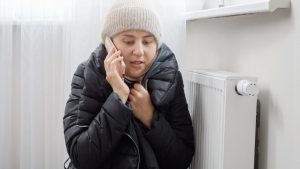
Let’s face it: Missouri winters are weird.
One week, you are wearing a light jacket and raking leaves in the sunshine. The next week, an ice storm hits, temperatures plummet below zero, and the wind is howling against your windows. It is this “rollercoaster” weather that catches so many homeowners off guard. We get comfortable during the mild days, and then the deep freeze arrives.
When that freeze hits, your home’s two most critical systems like plumbing and heating are put to the ultimate test. If they fail, you aren’t just looking at an inconvenient night shivering under a blanket. You could be facing thousands of dollars in water damage from a burst pipe or a furnace breakdown right when you need it most.
But here is the secret: You don’t have to be a victim of the weather.
Most winter disasters are completely preventable with a little bit of prep work. Think of this guide as your “winter armor” for your house. We are going to walk you through exactly what to do, step-by-step, to keep the water flowing and the heat blowing, no matter what the Springfield forecast says.
Table of Contents
TogglePart 1: Protecting Your Plumbing (The Water Defense)
Water freezes at 32 degrees Fahrenheit. It’s a simple fact of physics, but it causes complex problems. When water freezes, it expands. If it is trapped inside a copper or plastic pipe, it turns into a battering ram that can split the pipe wide open.
Here is your battle plan to stop that from happening.
1. The Outdoor “Disconnect”
This is the number one cause of frozen pipes we see every year. You might have a “frost-free” faucet, but if you leave a garden hose attached to it, you are trapping water inside the spigot.
- The Fix: Go outside right now (yes, put this blog down and go check!). Unscrew all garden hoses. Drain the water out of them and store them in the garage.
- The Next Level: If you have an older home, find the water shut-off valve for your outdoor faucets. This is usually in the basement or utility room. Turn it off, then go back outside and open the faucet to let any remaining water drain out.
2. Wrap Up the “Cold Zones”
Take a walk through your unheated areas, your crawl space, your attic, and your garage. Do you see any naked pipes?
- The Fix: Those pipes need a coat. Go to the hardware store and buy foam pipe insulation tubes. They are cheap (usually a few dollars each) and easy to snap on.
- Why it matters: A pipe in an uninsulated crawl space is practically asking to freeze. That little layer of foam keeps the heat in and the cold out.
3. The “Open Door” Policy
This sounds too simple to work, but it does. Your kitchen and bathroom sinks are often located against outside walls. The pipes underneath are hiding in dark, cold cabinets where the warm air from your furnace can’t reach them.
- The Fix: On extremely cold nights (especially when it dips below 20 degrees), open those cabinet doors. This lets the warm air from your house circulate around the pipes.
4. Know Your Main Shut-Off
If a pipe does burst, the difference between a puddle and a flooded basement is speed. Do you know where your main water shut-off valve is?
- The Action Item: Find it today. It is usually near your water meter or where the main line enters your house. Test it to make sure it turns. If it is stuck, you need to call a plumber before an emergency happens.
Part 2: Preparing Your Heating System (The Warmth Defense)
Your furnace is the heart of your home in winter. If it stops beating, everything else (including your pipes) is in trouble. You don’t want to find out your heater is broken on the first freezing night of the year.
1. The Filter Swap
This is the easiest maintenance task, but the most ignored.
- The Problem: A dirty air filter is like trying to breathe through a straw while running a marathon. Your furnace has to work twice as hard to pull air through a clogged filter. This can cause the motor to overheat and shut down.
- The Fix: Change your filter at the start of winter, and check it every month. If you have pets, you might need to change it even more often.
2. The “Test Run”
Don’t wait until you can see your breath in the living room to turn on the heat.
- The Fix: Pick a mild day in early winter to test your system. Turn the thermostat to “Heat” and bump the temperature up. Listen for strange noises—banging, screeching, or rattling. Smell the air. (A slight burning smell for the first few minutes is normal dust burning off, but if it lasts, you have a problem.)
3. Clear the Vents
Walk around your house and look at your supply vents. Are they blocked by a couch? A pile of laundry? Thick curtains?
- The Fix: Your heating system needs to “breathe.” Move furniture at least a few inches away from vents to ensure warm air can circulate properly.
4. Reverse Your Ceiling Fans
Yes, really!
- The Trick: Most ceiling fans have a little switch on the side. Flip it so the fan blades spin clockwise (at a low speed). This pushes the warm air that rises to the ceiling back down to the floor where you can actually feel it.
Comparison: The Cost of Prevention vs. The Cost of Cure
Is it really worth spending a Saturday afternoon doing this stuff? Let’s look at the numbers.
| Task | Estimated Cost (DIY) | Potential Cost of Ignoring It |
| Insulating Pipes | $20 – $40 for foam tubes | $5,000+ for water damage restoration & drywall repair. |
| Disconnecting Hoses | $0 (Free!) | $400+ to replace a burst outdoor faucet and pipe. |
| Changing Furnace Filter | $15 – $30 | $300+ for an emergency service call or motor repair. |
| Dripping Faucets | Pennies on your water bill | $2,000+ for emergency pipe replacement. |
| Annual Inspection | $100 – $150 | $5,000+ for a full furnace replacement if it fails early. |
5 Winter Myths That Can Hurt Your Home
There is a lot of bad advice floating around. Let’s bust a few myths to keep you safe.
Myth #1: “I should turn the heat off when I go on vacation to save money.”
- The Truth: Never do this! If you turn the heat off, your house will freeze, and so will your pipes. Set your thermostat to at least 55°F while you are away. This keeps the internal structure warm enough to prevent freezing.
Myth #2: “I only need to drip one faucet.”
- The Truth: You need to relieve pressure in the lines that are most at risk. Drip the faucets that are on exterior walls (usually the kitchen sink or a guest bathroom). Both hot and cold lines need to move!
Myth #3: ” Insulation makes pipes warm.”
- The Truth: Insulation doesn’t create heat; it traps it. If a pipe is in a space that is already freezing cold (like a detached garage) and has no water moving through it, insulation alone might not save it forever. You might need electric heat tape for those extreme spots.
Myth #4: “I can thaw a pipe with a blowtorch.”
- The Truth: Please, never use an open flame on your plumbing. You can melt plastic pipes, boil the water inside (causing it to explode), or start a house fire. Use a hair dryer or heat gun on a low setting instead.
Myth #5: “Pouring antifreeze down the drain protects the pipes.”
- The Truth: Automotive antifreeze is toxic and dangerous for the water supply. Only use RV-rated (pink) antifreeze if you are winterizing a cabin or boat, and only if you know what you are doing.
Why You Might Need a Pro This Winter
Sometimes, despite your best DIY efforts, you need an expert eye. Maybe your furnace is making a sound like a dying cat. Maybe you have a crawl space you are physically unable to access. Or maybe you just want the peace of mind that comes with a professional “green light.”
At White Plumbing Company, we handle the winter worries so you don’t have to. We are experts in Gas Line safety which is crucial when your furnace is running 24/7. We can inspect your gas lines for leaks, ensure your water heater is venting properly, and help you winterize those hard-to-reach pipes.
If you are worried about your drains handling the holiday cooking load (which is a whole other winter issue!), check out our guide on Cable Snaking & Drain Plumbing.
Stay Warm, Stay Dry
Winterizing isn’t about paranoia; it is about preparation. It is about knowing that when the wind is howling outside at 2 AM, your home is secure.
Take an hour this weekend to run through this checklist. Disconnect those hoses. Buy that pipe insulation. Check your furnace filter. These small, cheap tasks are the best insurance policy you can buy.
But if you find yourself in over your head or if you wake up to the dreaded sound of water rushing in your basement, don’t hesitate. Contact White Plumbing Company to fix the freeze fast.
Stay cozy, Springfield! Let’s make this a boring winter for your plumbing (in the best way possible).
Frequently Asked Questions
Q1: How much of a drip do I really need to prevent freezing?
A: You don’t need a steady stream. A drip that falls about once every 3-5 seconds is enough to keep the water moving and relieve pressure. It is the movement and the pressure release that stops the ice from forming a blockage.
Q2: What should I do if the power goes out during a snowstorm?
A: This is a scary scenario. First, keep your faucets dripping—this is even more important now that the house is getting colder. Second, open all cabinet doors under sinks. If you have a fireplace, use it (safely). If the outage looks like it will last days, you may need to shut off your main water valve and drain the pipes to save them.
Q3: Can I put a space heater in the crawl space?
A: You can, but you must be extremely careful. Never leave a space heater unattended, especially in a cramped space with wood joists. A safer option is a permanent “pipe heater” or heat tape that is designed for that specific purpose and has a thermostat control.
Q4: My furnace is running, but the air isn’t hot. What’s wrong?
A: This could be a few things. It might be a dirty flame sensor, a bad igniter, or even a clogged filter restricting airflow. If checking the filter doesn’t fix it, you need a technician to diagnose it.
Q5: Is it okay to cover my outdoor heat pump unit?
A: Do not wrap your heat pump airtight! Heat pumps need to pull air in from the outside to work (even in winter). If you wrap it in plastic, you will suffocate it and burn out the motor. You can put a simple board over the top to keep snow from falling into the fan, but keep the sides open.
Q6: Why does my house feel dry in the winter?
A: Cold air holds less moisture than warm air. When your furnace heats that dry air up, the relative humidity drops even lower. This can cause dry skin and static electricity. You might want to consider a whole-home humidifier that works with your heating system.